Breath, Heat, Shape.
A studio journal from the bench — technique, process, and the objects that survive the fire.
From the
bench notes
Each entry documents a single piece — the decisions made, the mistakes kept, and what the glass was trying to do on its own.
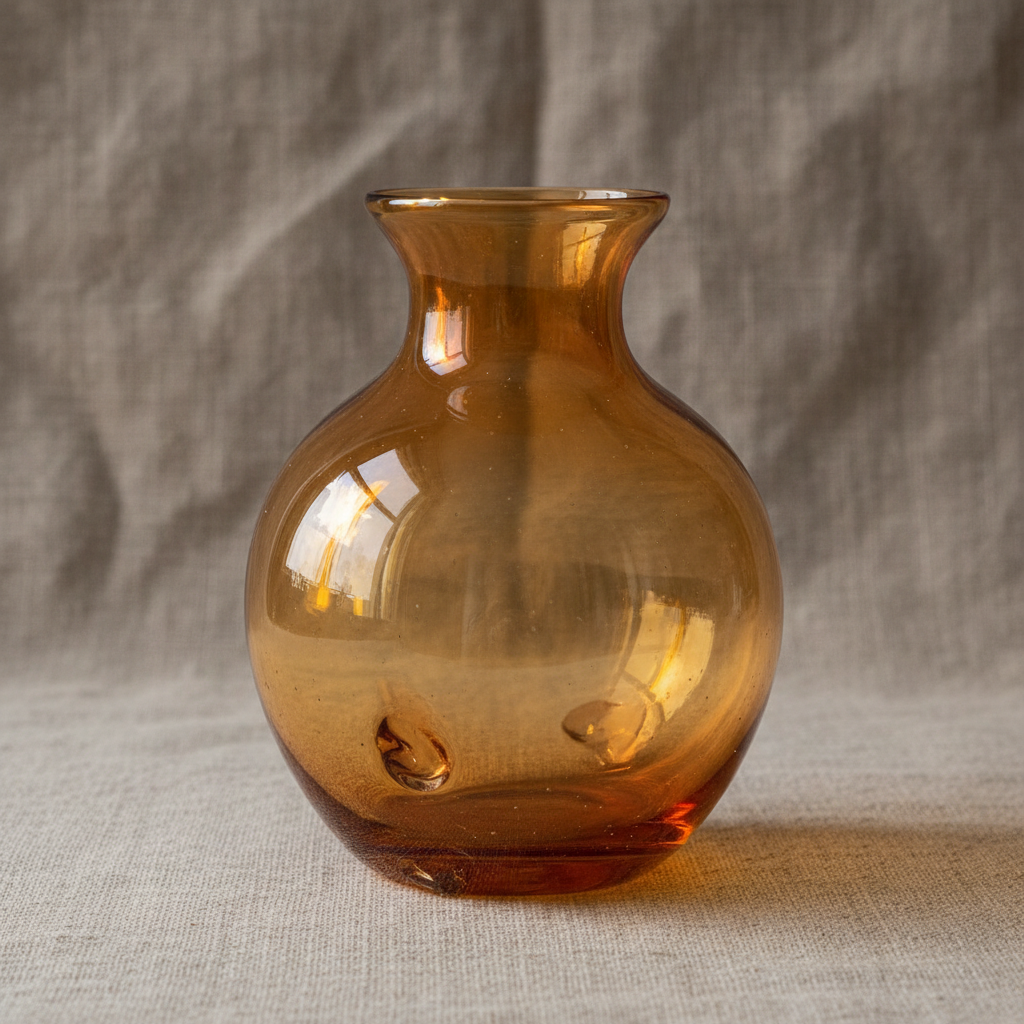
The Gather That Held
February 2026This piece started as a 180-gram gather — just under the threshold where the glass starts pulling at the pipe before you're ready for it. I'd been working with a slightly cooler batch, which gave me an extra twelve seconds of workability at the bench.
The shoulder happened in the third blow. I felt the wall thinning on the left side and overcorrected with the jacks, which is where that slight asymmetry at the equator came from. I kept it.
Read full entry"Asymmetry is the record of a decision made at 2,100°F."
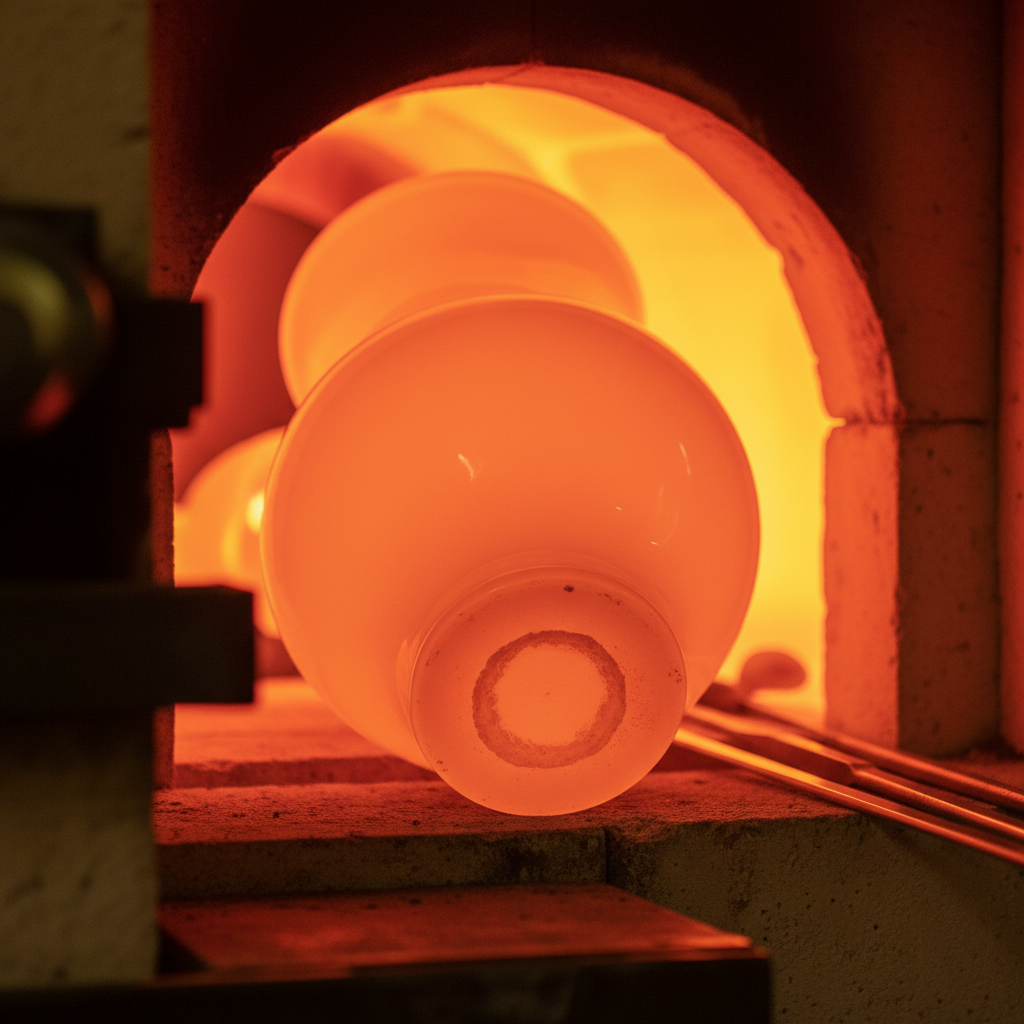
Still in the Annealer
January 2026What you're seeing here is the piece at 900°F, still in the annealer two hours after I transferred it off the punty. The punty mark is visible at the base — a 14mm diameter scar that I'll cold-work down to a polished flat foot.
Annealing is the part nobody photographs. The glass is invisible to collectors until it's cold and clean, but this is where the work actually finishes. Thermal stress cracks happen in this window, not at the bench.
Read full entry"The annealer is where the glass decides whether it trusts you."
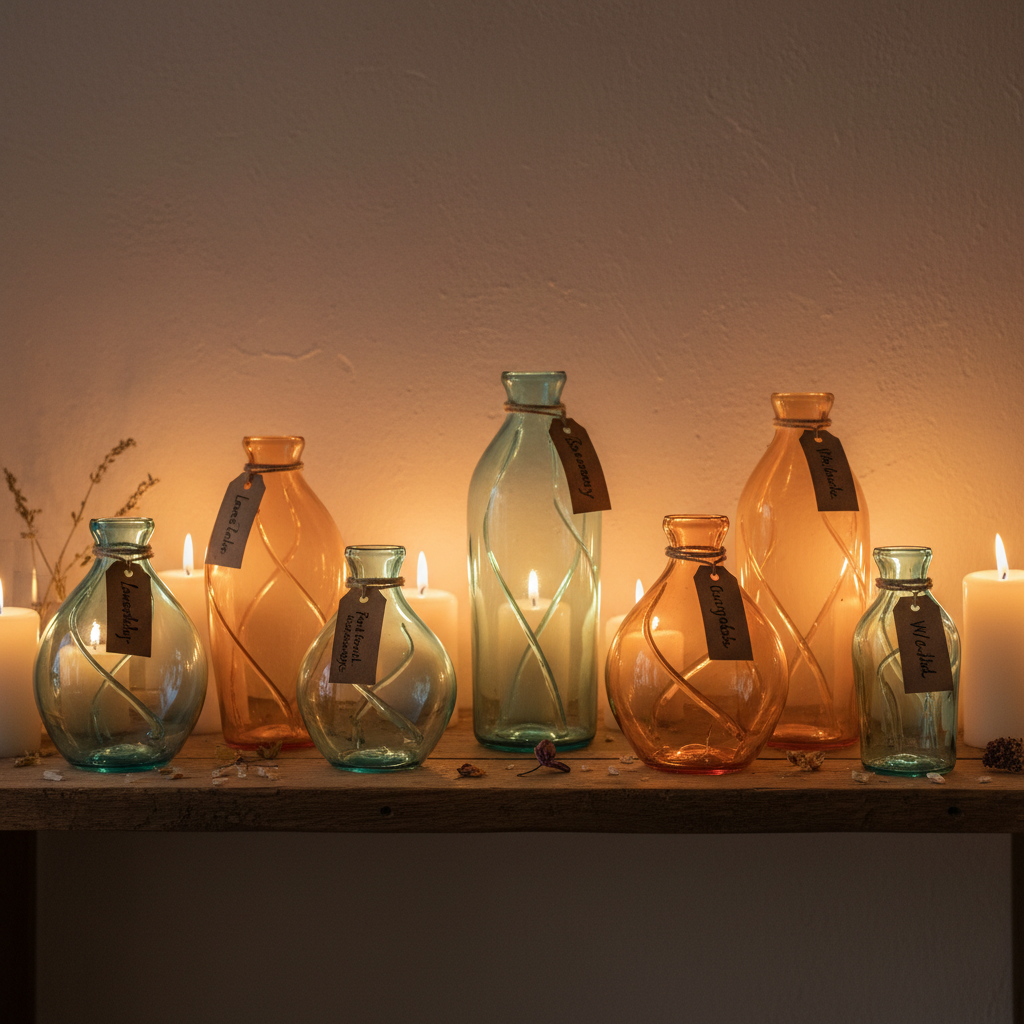
Three Blows, One Form
December 2025This series came out of a week where I was trying to understand what happens when you repeat the same gesture with different timing. All three pieces started from the same gather weight, the same color batch, the same mold-blow opening.
The differences are entirely in the pacing. The tallest one on the left: I rushed the first blow and the base is thicker than it should be. The middle: I waited too long between reheats and the shoulder set before I wanted it to. The right one is the one I'd sell.
Read full entry"Same recipe, three different conversations with gravity."
Three years of
bench notes.
One journal.
Forty-seven entries on gather weight, color chemistry, punty transfers, and the pieces that cracked on the way out of the annealer. Written for flameworkers who want the numbers, and collectors who want to understand what they're holding.
No editorial filter. Some entries are three sentences. Some are two thousand words and a diagram.
Open the
Studio Journal
The archive opens with a 2,000-word entry on why I stopped using clear cullet and what that changed about every piece I've made since.
Open the Studio JournalNo account required — read free
The Technique
Guide
A 28-page illustrated PDF covering the foundational forms in hand-blown glass. Written for flameworkers moving into hot glass, and collectors who want the vocabulary before they buy.
Solid Sculpt vs Blown Form
A solid sculpt carries its mass all the way through — you're working with gravity as a collaborator. A blown form is a thin skin of glass containing air, and the air is the material.
Reading a Gather
The color of the gather tells you the temperature. Straw yellow is too cool. Orange-white is working range. If you see white, you've already lost two seconds.
The Punty Transfer
Transferring to the punty is the highest-stakes moment in a blown piece. The attachment point becomes the base. A cold punty or a rushed weld and the whole piece shears off.
The full guide includes annotated diagrams, gather weight charts, and a glossary of terms that separate a blown form from a pressed one. Enter your email and it arrives immediately.
28 pages · Illustrated PDF · Free forever
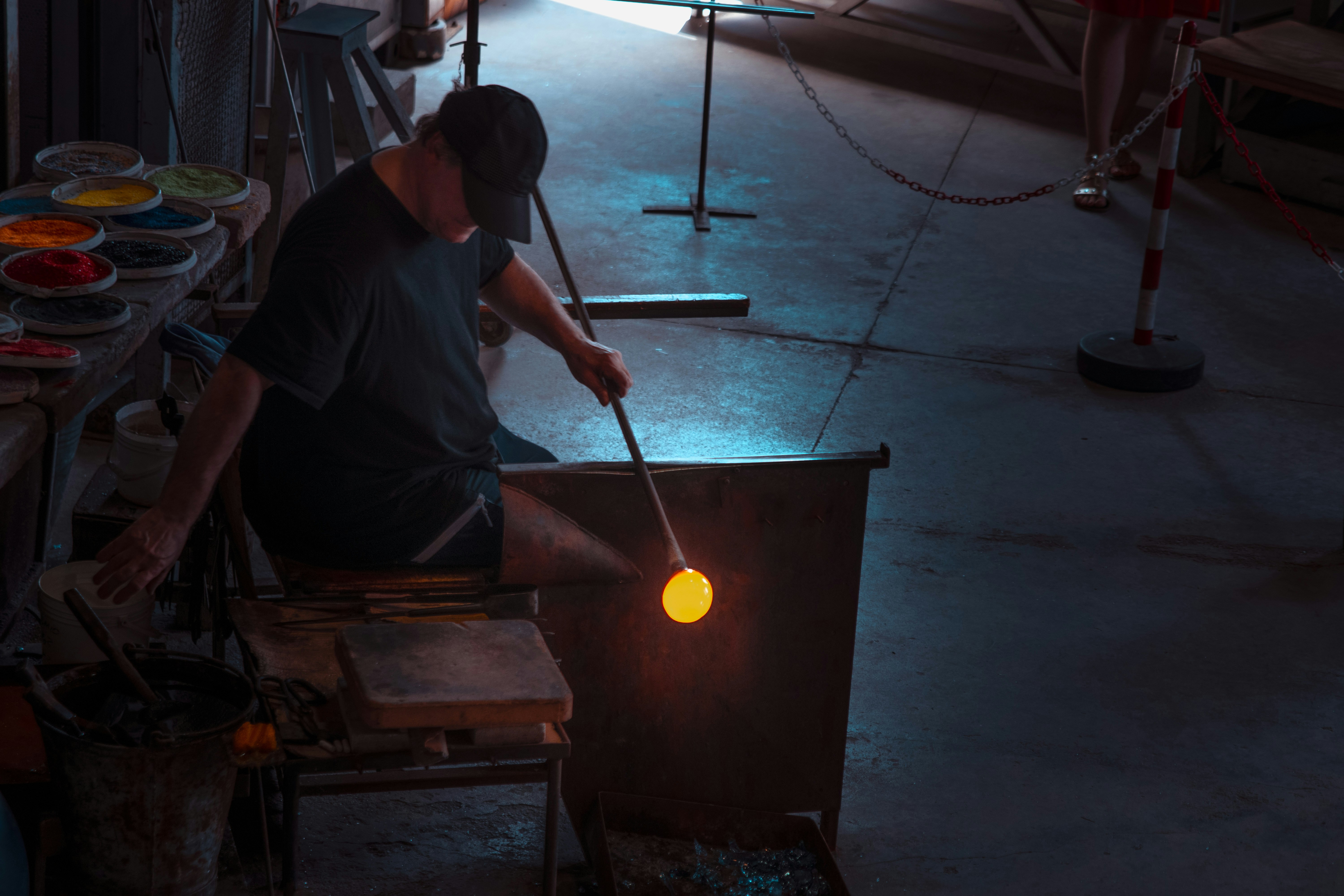
Glass remembers
every decision.
Gather is a working studio and journal based in Portland, Oregon. I've been blowing glass since 2019, first in shared studio time, now in a dedicated space with a four-color batch setup and an annealer I built from salvaged kiln bricks.
The journal exists because I kept detailed notes from the beginning — gather weights, timing, what went wrong, what the glass did that I didn't ask it to do. At some point the notes became worth sharing.